
About Values
The Values assessment uncovers the core beliefs and hidden motivators that guide how people make decisions. Where DISC shows observable behavior, Values reveals what’s beneath the surface, measuring four deeply held values that influence how people work, what keeps them engaged, and where they’re most likely to thrive.


Unlocking Insights with Values
Think of a person like an iceberg. Personality and behavior are the parts we can see, while values sit below the surface, quietly informing decisions and driving actions. Unlike behavior, which people can adapt with some effort, values are ingrained and often formed early in life. The PeopleKeys Values assessment brings these hidden motivators to light so they can be understood and respected.
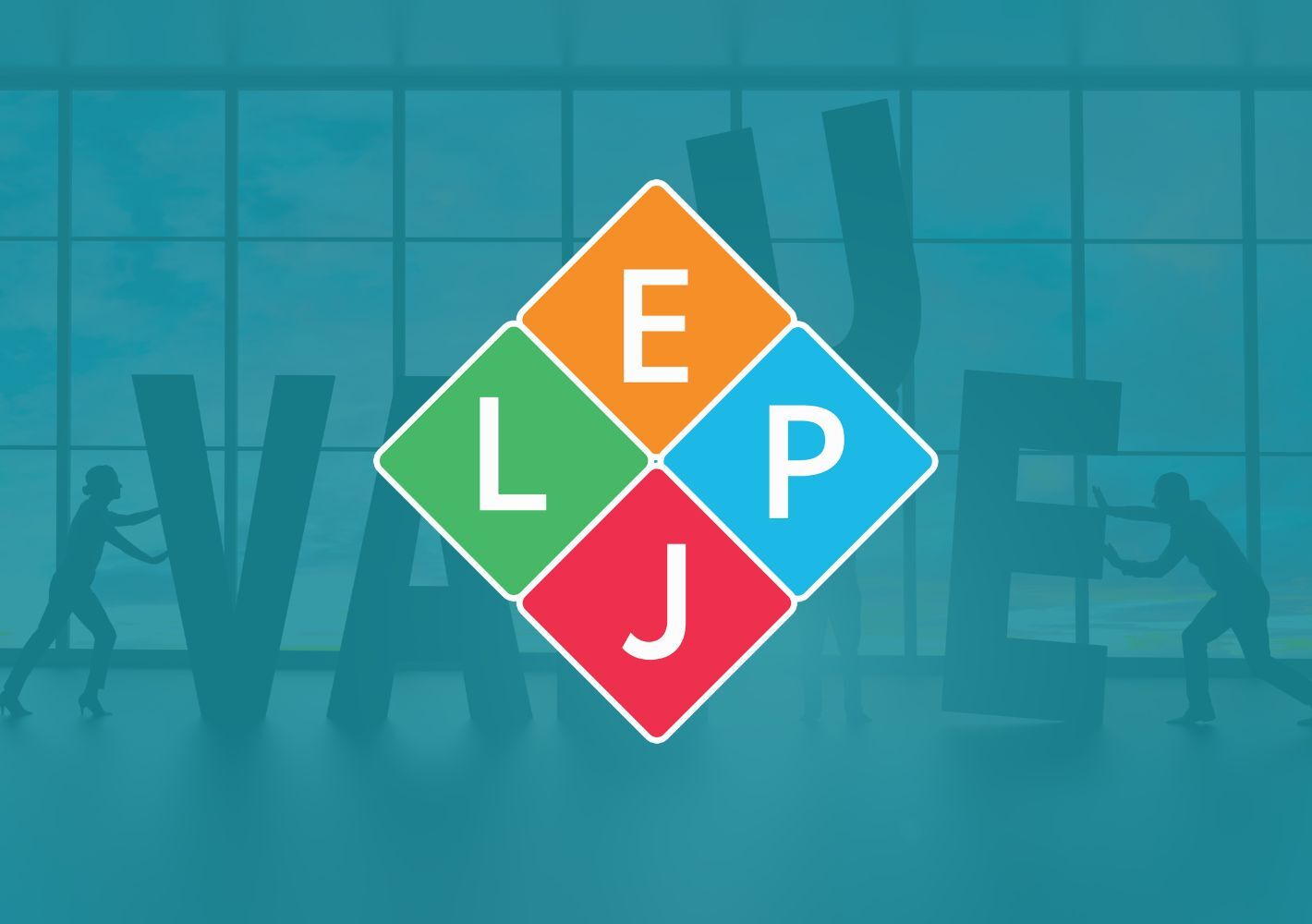
Values measures four core values, known as LEPJ: Loyalty, Equivalence, Personal Freedom, and Justice. Everyone shares all four to varying degrees, and each report identifies a person’s highest and second-highest values styles, along with their focus, goals, fears, and work style. Paired with DISC in a 2D, 3D, or 4D report, Values connects how someone behaves with the beliefs that motivate them.
Understand What Matters Most with Values
PeopleKeys is trusted by coaches, consultants, and some of the world’s largest organizations to deliver behavioral insights that drive real results. Combine Values with DISC to understand not just how your people behave, but the core beliefs that guide their decisions.
Get Started with a PeopleKeys Business Account
Gain access to industry-leading behavioral assessments with tools that make managing your team easier and more effective.
Streamline Assessment Management
Add Your Logo to Report Covers
Easily Purchase & Distribute Assessments

Workplace Applications of Values
Values plays a powerful role in hiring and retention. When a role’s requirements align with a person’s core values, they’re more likely to feel engaged and stay long term. Hiring managers use Values to understand which environments a candidate will thrive in, such as placing someone high in Personal Freedom in a role with autonomy rather than one that requires constant approval, or giving someone high in Loyalty the structure and consistency they appreciate.
Values also helps prevent and resolve conflict. Because values are harder to flex than behavior, values-based disagreements can feel personal and are often misunderstood. A leader high in Loyalty may see a Personal Freedom team member as resistant to rules, while that team member may see the leader as rigid. When both understand each other’s values, they can find common ground.


Values in Personal Development
Knowing your values helps you make choices that feel right for you. Values shapes everything from the career you pursue and the people you connect with to how you spend your time. When your work and life align with your core values, you feel more fulfilled. When they don’t, frustration builds even if everything looks good on paper. Values gives you the language to recognize what you need and why.
Values also builds empathy and stronger relationships. Understanding that others may prioritize different values makes it easier to appreciate differences rather than take them personally, whether with a coworker, partner, or child. A parent high in Loyalty and a teen high in Personal Freedom, for example, can set expectations together once they understand what drives each other.
Featured Blogs on Values
Resolving Values Conflicts in the Workplace Before They Become a Crisis
Discover how to resolve workplace values conflicts using the PeopleKeys Values assessment to foster a thriving culture and improve team performance. Learn practical steps to address core differences.

Why DISC Alone May Not Be Enough?
The DISC personality assessment is a great first step but is only the beginning of the journey into behavioral analysis and personality dimensions.

How to Select Your Coaching Niche
Learn how PeopleKeys addresses top workplace challenges like communication, conflict resolution, and leadership development with DISC-based solutions.