
Group Dynamics Report
Discover how your team works together, communicates, and performs under pressure — all through the lens of DISC behavioral science.

What Is a Group Dynamics Report?
High-performing teams aren’t accidents. They’re built through intentional understanding of how people communicate, collaborate, and contribute. The PeopleKeys Group Dynamics Report combines the individual DISC assessments of every team member into a single, comprehensive view of your team’s collective behavioral style.
Whether you’re a manager looking to improve communication, an HR leader making strategic hiring decisions, or a coach helping a team reach its potential, the Group Dynamics Report gives you the insight to make smarter, people-centered decisions.
Understand Your Group’s Combined Style
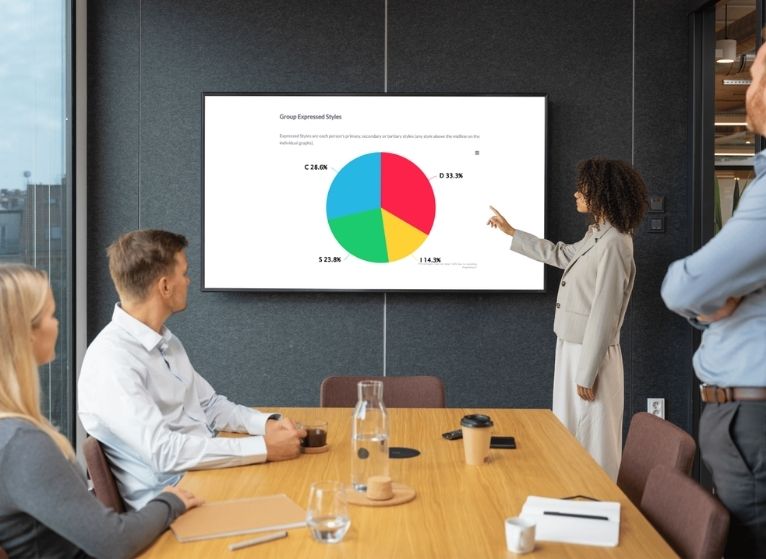
Every team develops its own culture — shaped by the behavioral styles of the people within it. The Group Dynamics Report calculates your team’s combined DISC style by averaging the results across all members, revealing where your team collectively places its energy and focus.
Get Started with a PeopleKeys Business Account
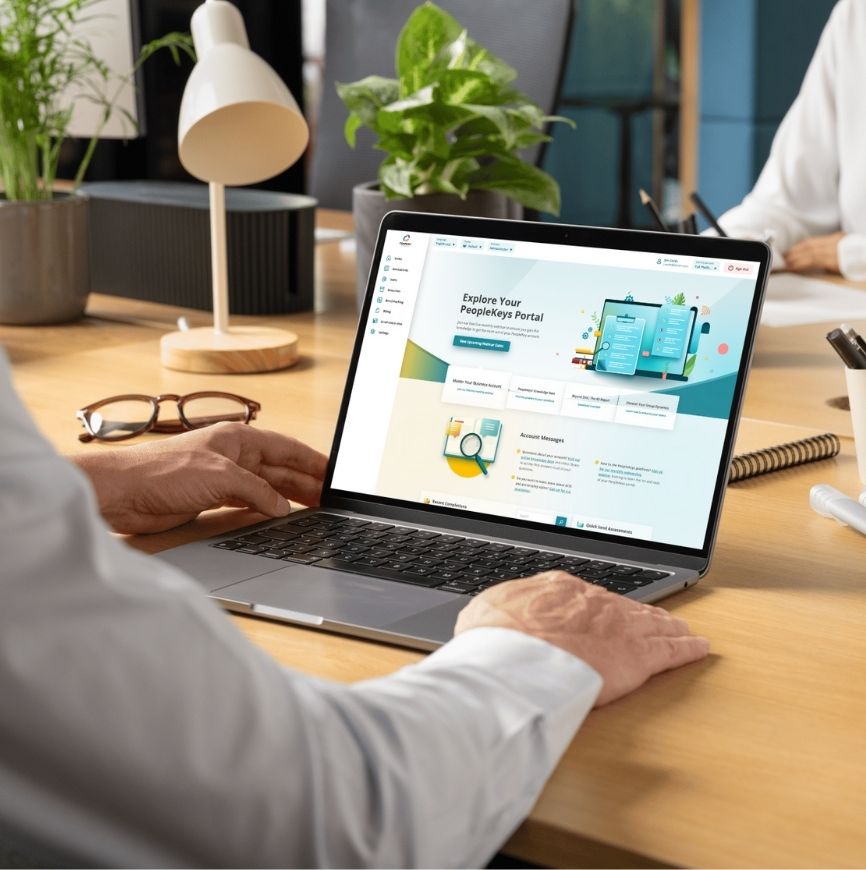
The Group Dynamics Report is available exclusively in the PeopleKeys App, giving you access to powerful assessment tools.
Streamline Assessment Management
Add Your Logo to Report Cover
Easily Purchase & Distribute Assessments
Identify Strengths and Close the Gaps
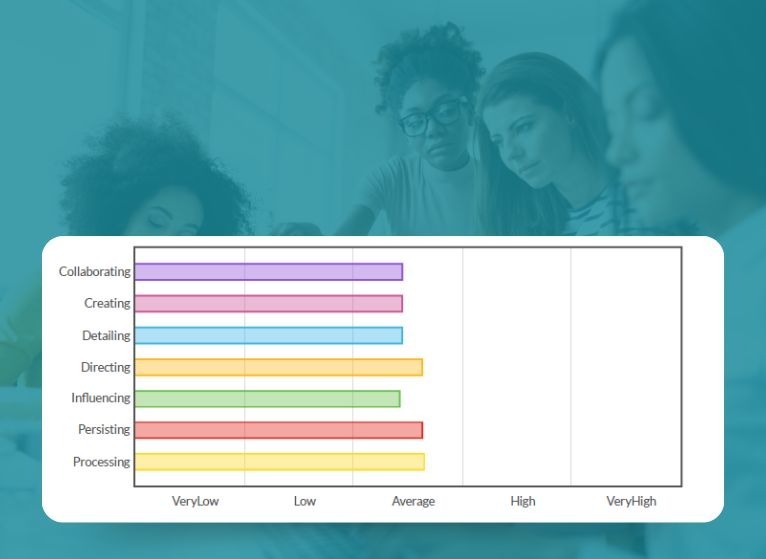
The Group Dynamics Report includes a dynamics goal chart that measures your team’s collective ability across seven key dimensions: Collaborating, Creating, Detailing, Directing, Influencing, Persisting, and Processing.
If your team scores low in an area critical to its success, that’s a signal — whether for coaching, role adjustment, or strategic hiring. The report turns what might otherwise be a vague sense that “something’s off” into a clear, data-backed picture of where to focus.
How Your Group Responds Under Stress
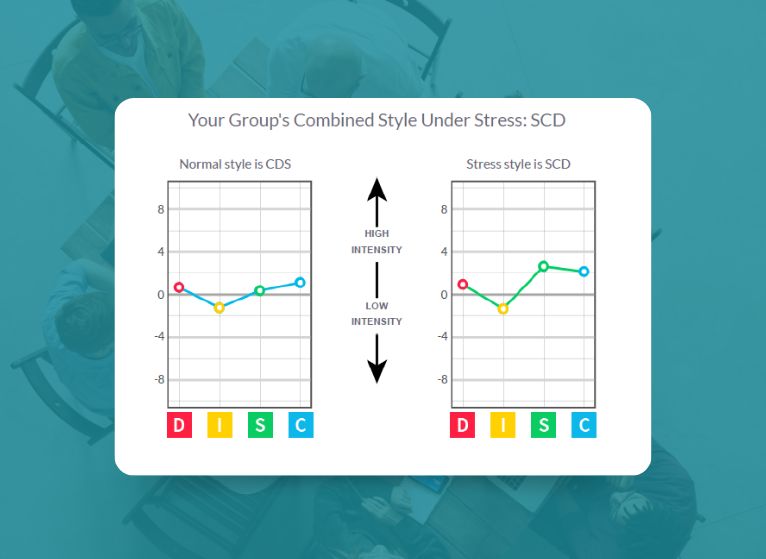
Every team changes when pressure mounts. The Group Dynamics Report includes a dedicated stress analysis that compares your team’s normal combined style to how it shifts under stress — revealing whether the team becomes more reactive, more withdrawn, more consensus-driven, or more detail-fixated when things get hard.
Understanding this shift helps leaders anticipate team behavior during high-stakes moments and put the right support structures in place before they’re needed.
Connect with a DISC Expert
A member of our team will be happy to answer all of your questions.
Featured Blogs on Group Dynamics

Expanding Your Team’s Potential with a Group Dynamics Report
Making hiring decisions for your business can be challenging. Bringing a new team member on board involves assessing their skills, experience, integrity, and past performance. However…

Using DISC to Build Strong and Successful Ministry Teams
In the ever-evolving landscape of today’s business world, leaders face unprecedented challenges and opportunities. The interplay between advancing technology…

Team Building Exercises with DISC
FAQs
What does the Group Dynamics Report include?
The report includes a group expressed styles pie chart, individual DISC graphs for each team member, a combined group style analysis, style-by-style communication and working tips, a stress response comparison, a dynamics goal chart across seven dimensions, and a group dynamics worksheet for facilitated discussion.
How many people can be included in a Group Dynamics Report?
We recommend keeping the Group Dynamics Report to 55 users or less. Each participant simply completes an individual DISC assessment, and their results are combined into the group report automatically.
How is the Group Dynamics Report different from an individual DISC report?
An individual DISC report focuses on a single person’s behavioral style, strengths, and communication preferences. The Group Dynamics Report aggregates results across an entire team, revealing the collective culture, shared tendencies, gaps in style representation, and how the group functions as a unit.