
William Moulton Marston
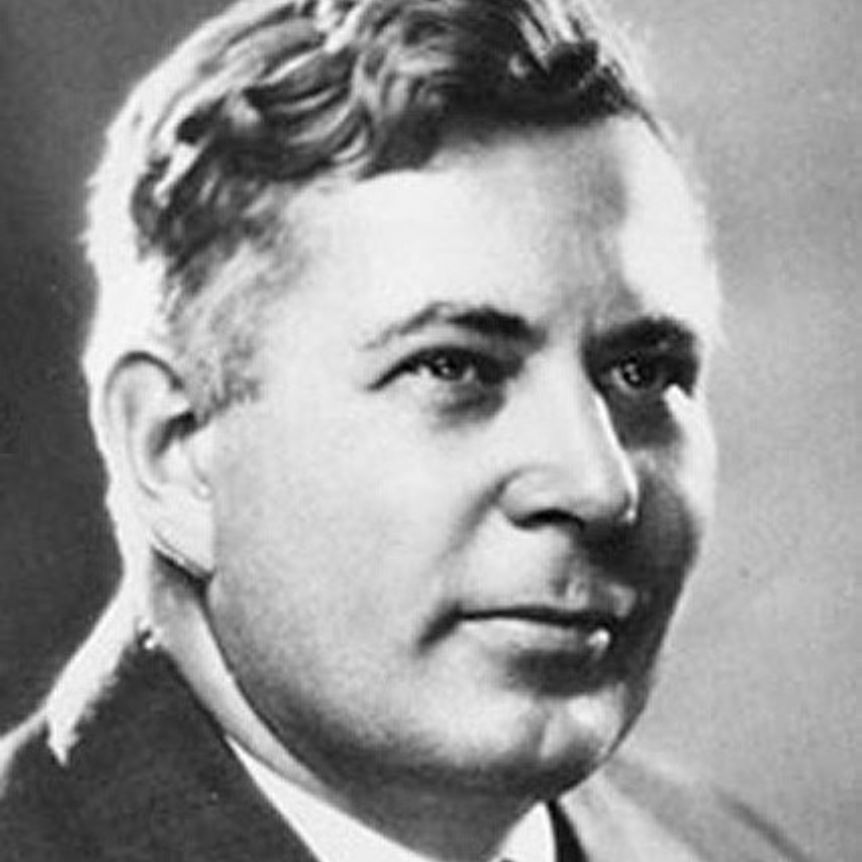
William Moulton Marston (1893 – 1947) is renowned as the creator of DISC theory, pioneering behavioral analysis. Yet, his intriguing life extends beyond DISC, featuring a tapestry of diverse accomplishments and unique experiences.
William Marston & DISC
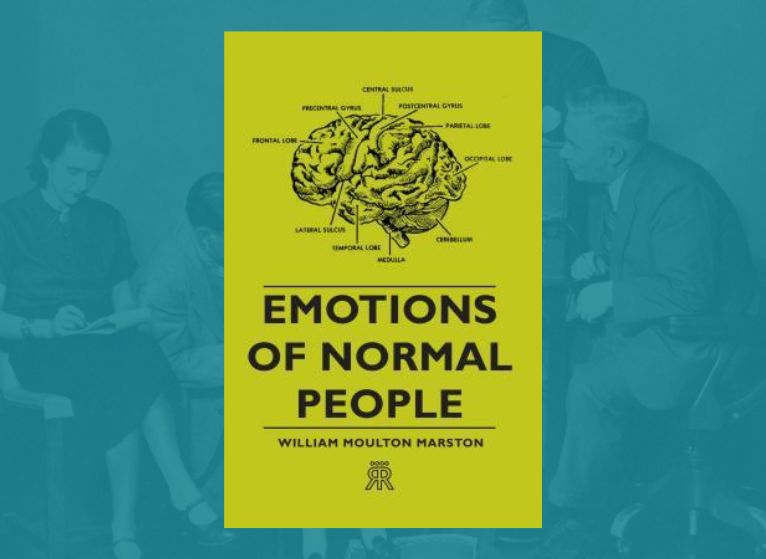
William Marston’s exploration of DISC stemmed from his lifelong fascination with human emotions. A Harvard-educated psychologist holding a Ph.D., Marston delved into this field with his 1928 book, Emotions of Normal People,” where he laid out the foundational principles of DISC.
Drawing from extensive clinical experimentation, he introduced key DISC elements like axies, the connection between behavior and environment, and the behavioral patterns of Dominance (D), Inducement (I), Submission (S), and Compliance (C). Continuing his DISC research, Marston published Integrative Psychology – A Study of Unit Response three years later, revealing insights into the interplay of emotion, personality, motivation, learning, and recall.
Father of the Polygraph
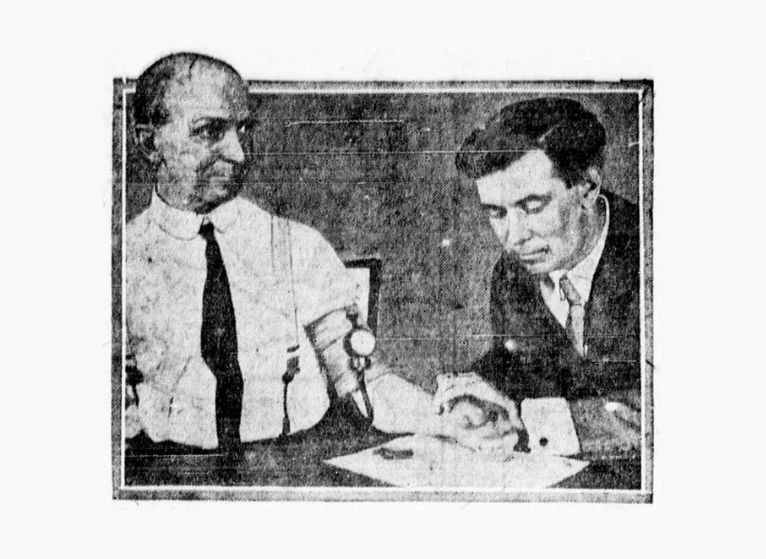
Through the course of his studies, Marston noticed a link between emotion and blood pressure. This inspired Marston to create an early version of the modern polygraph machine, or what has commonly come to be known as the “lie detector.”
The process was simple, yet effective: Marston would take and record a subject’s blood pressure, and release the blood pressure cuff. He would then ask the subject a question, and record the subject’s blood pressure a second time to identify any changes. Marston referred to this as the “discontinuous method” of identifying deception. Marston received great acclaim for his invention, and was often brought in by law enforcement agencies to consult on high-profile cases.
Creator of Wonder Woman
Marston was also a prolific writer. In addition to The Emotions of Normal People and Integrative Psychology, he also published several books and essays for scientific and popular audiences. As a newspaper columnist, he wrote about the burgeoning Women’s Rights Movement and became well-known for writing a number of influential journal articles in support of the early movement.
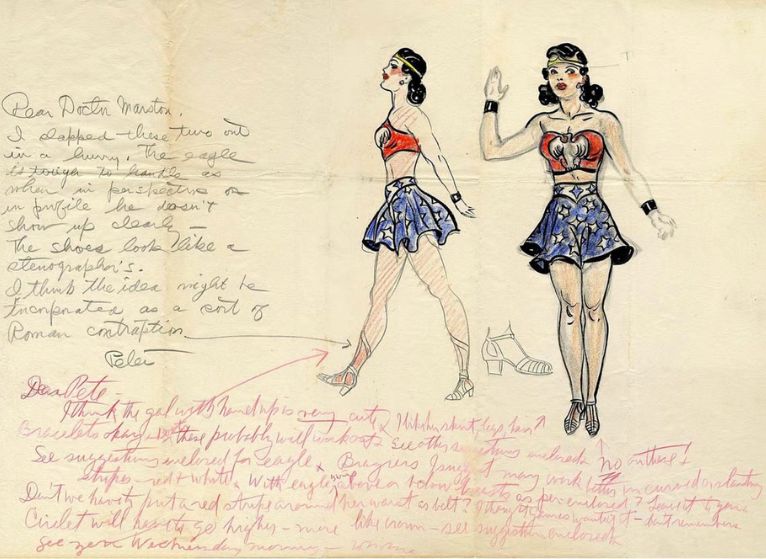
The last six years of his life were dedicated to writing for DC Comics under the pen name Charles Mouton. Marston wrote the text for the Wonder Woman comics from the time she first appeared in print in 1941, up through his death in 1947. In 2006 Marston received the honor of being posthumously inducted into the Will Eisner Award Hall of Fame.