
About TEAMS
The TEAMS assessment reveals how people think and contribute best in a group. Where DISC shows how someone communicates and behaves, TEAMS identifies their natural thinking style and preferred team role, helping individuals and organizations build balanced teams that move smoothly from idea to execution.


Unlocking Insights with TEAMS
Every team depends on a mix of thinking styles to turn ideas into results. Some people naturally generate new concepts, others build the plan, refine the process, keep people aligned, or carry the work across the finish line. The PeopleKeys TEAMS assessment measures each person’s preferences across five key roles, so you can see who brings what to the table.
TEAMS stands for Theorist, Executor, Analyzer, Manager, and Strategist. Each report identifies a person’s primary and secondary thinking styles, along with their core strengths and potential limitations. TEAMS measures preference, not ability. When people work in their area of preference, productivity and job satisfaction rise and stress goes down. Paired with DISC in a 2D, 3D, or 4D report, TEAMS connects how someone behaves with how they think and contribute.
Build Stronger Teams with TEAMS
PeopleKeys is trusted by coaches, consultants, and some of the world’s largest organizations to deliver behavioral insights that drive real results. Combine TEAMS with DISC to understand how your people communicate and how they contribute to the team’s success.
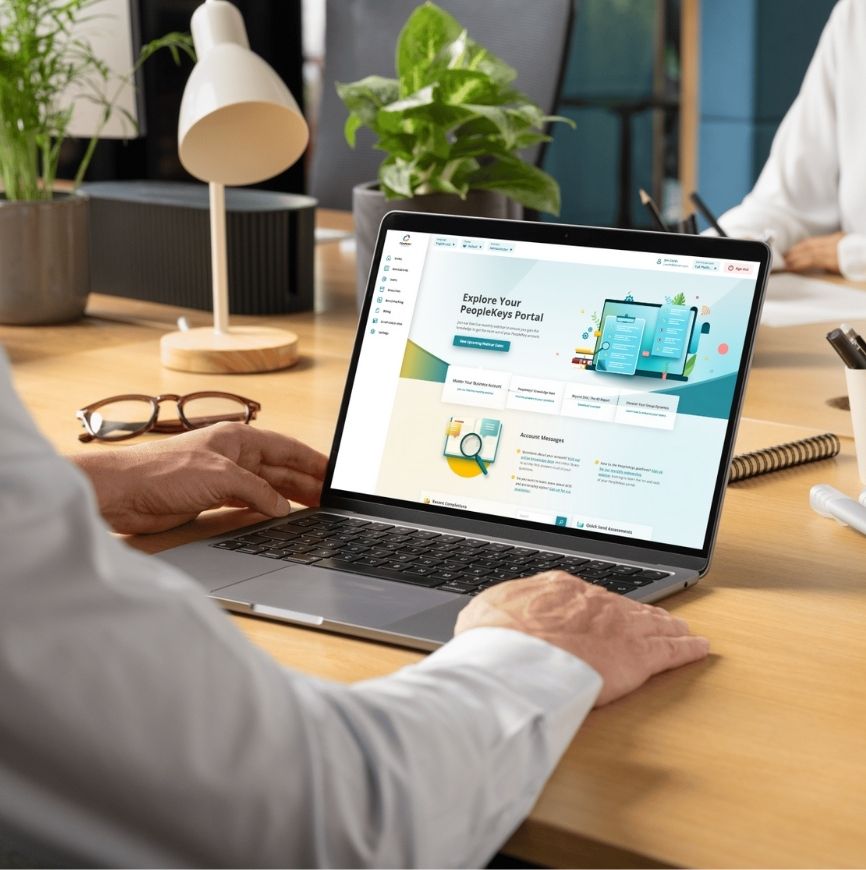
Get Started with a PeopleKeys Business Account
Gain access to industry-leading behavioral assessments with tools that make managing your team easier and more effective.
Streamline Assessment Management
Add Your Logo to Report Covers
Easily Purchase & Distribute Assessments
Workplace Applications of TEAMS
TEAMS helps leaders put the right people in the right roles on every project. By understanding each person’s thinking style, managers can assign work that plays to natural strengths, such as giving a Theorist room to brainstorm, an Analyzer ownership of quality control, or an Executor responsibility for implementation. Comparing profiles across a group also reveals gaps and overlaps, so leaders can see when a team is full of idea generators but short on follow-through, and adjust before projects stall.
TEAMS also improves collaboration and communication. When team members understand and appreciate each other’s talents, preferences, and challenge areas, friction turns into partnership. A Strategist and an Analyzer who once clashed over pace and detail can recognize how their styles complement each other.


TEAMS in Personal Development
Understanding your thinking style helps you recognize where you do your best work and why some tasks feel energizing while others feel draining. TEAMS gives individuals a clear picture of their natural role, core strengths, and potential blind spots, such as a Theorist who loves starting new ideas but struggles with completion.
TEAMS also helps people grow beyond their natural role. Knowing your tendencies lets you seek out complementary partners, ask for the structure or freedom you need, and develop skills in areas that don’t come naturally. Whether you’re planning your career, stepping into leadership, or working on a volunteer committee or family project, TEAMS helps you contribute with more confidence and work better with others.
Featured Blogs on TEAMS

Understanding Natural Roles on a Team
The best leaders understand the team’s strengths by understanding TEAMS or the natural thinking style and preferred role of employees.

5 Types of People You Need to Build Your Dream Team
Using PeopleKeys DISC personality and TEAMS thinking style assessment tools can help you build your dream team with complementary strengths.

Curate, Don’t Just Build Your Startup Team
Learn how PeopleKeys addresses top workplace challenges like communication, conflict resolution, and leadership development with DISC-based solutions.